
Crib Safety 101: 5 Essential Dos and Don’ts for Safe Sleep for Babies
Creating a safe sleep environment for your baby is one of the most important things you can do as a parent or caregiver. As an expert in infant sleep safety and baby crib guidelines, I’ve seen how small choices in a nursery can make a big difference.
The good news? Following proper crib safety tips is simple once you know what to look for. Here are five essential dos and don’ts to help you create the safest possible sleep space for your baby.
DO: Keep the Crib Bare (Safe Sleep for Babies Starts Here)
When it comes to safe sleep for babies, less is truly more.
A safe crib setup includes:
A firm mattress
A fitted crib sheet
And nothing else.
Avoid:
Pillows
Blankets
Stuffed animals
Crib bumpers
These items increase the risk of suffocation and are not recommended under current baby crib safety standards.
💡 A helpful rule: if it’s soft, it doesn’t belong in a safe sleep environment.
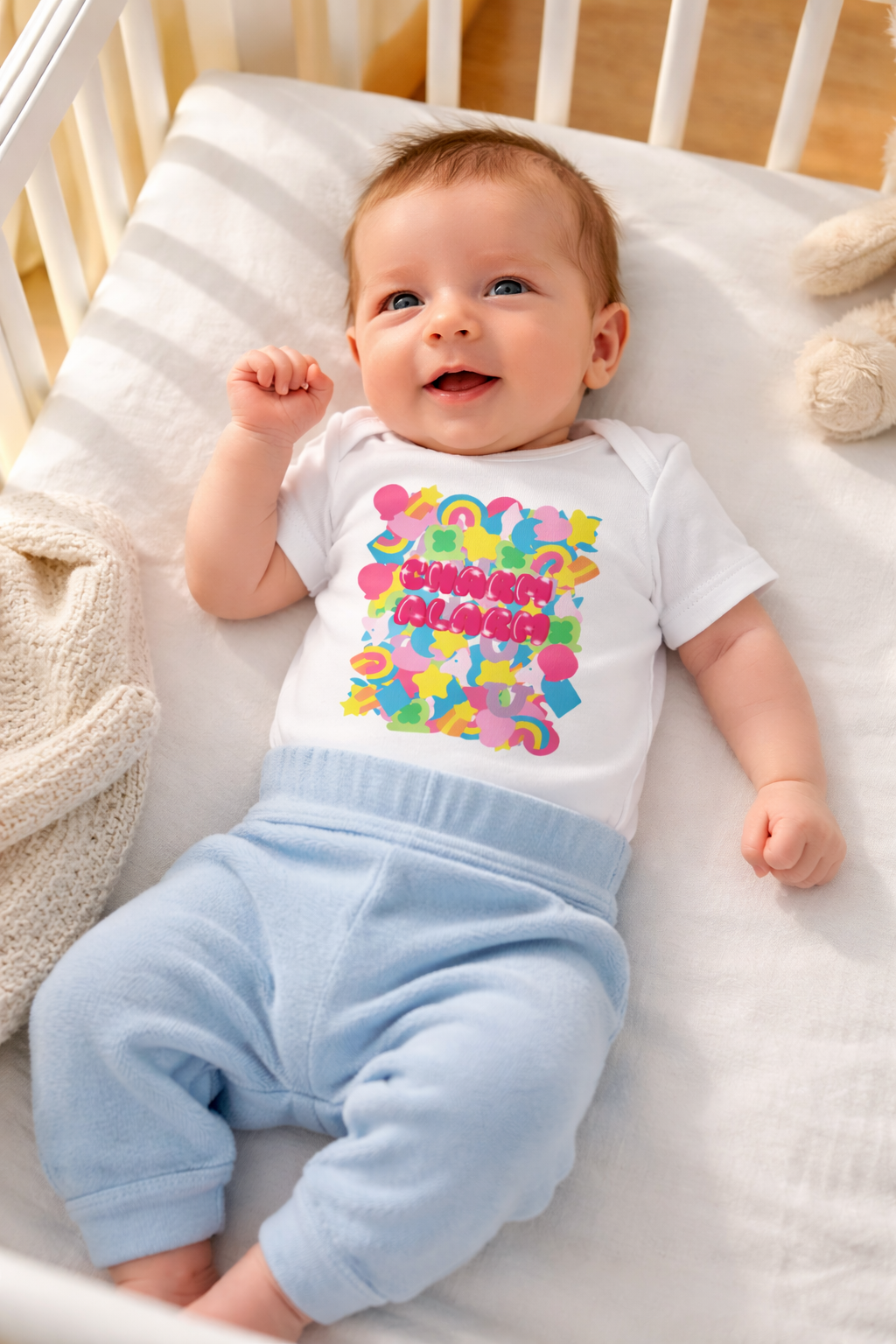
DON’T: Use Crib Bumpers (Even “Breathable” Ones)
Many parents still wonder about crib bumpers, but according to modern infant sleep safety guidelines, they are not safe.
Crib bumpers can:
Restrict airflow
Increase suffocation risk
Be used as a step for climbing
Even “breathable” versions do not meet recommended safe nursery setup practices.
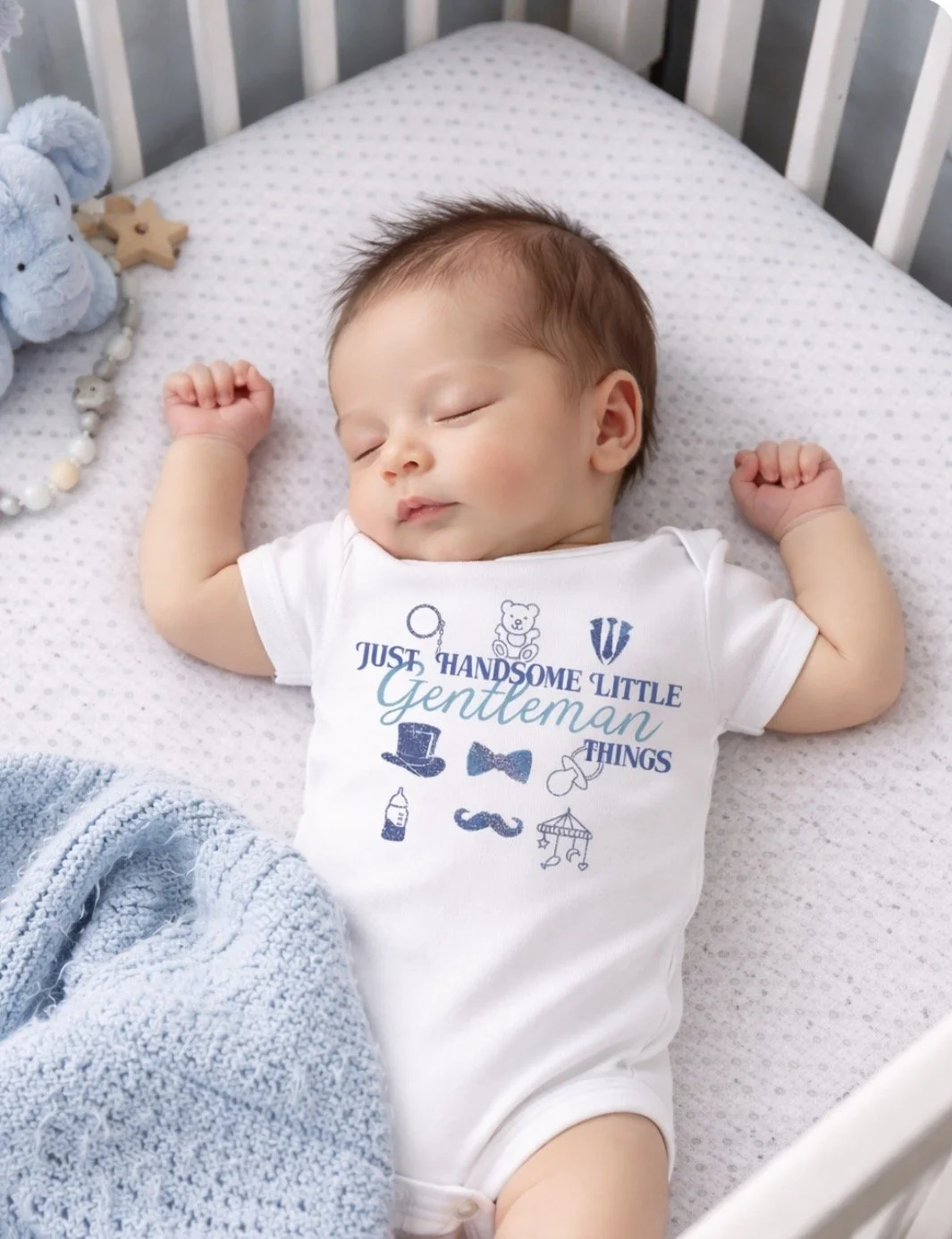
DO: Place Baby on Their Back for Every Sleep
One of the most well-established crib safety tips is to always place your baby on their back.
For the safest newborn sleep safety routine:
Put baby on their back for naps and nighttime
Use a flat, firm sleep surface
Once babies can roll on their own, they can stay in the position they choose—but always start on the back.
DON’T: Use Unsafe Sleep Surfaces
A proper safe sleep environment means avoiding places not designed for infant sleep.
Do not let your baby sleep in:
Adult beds
Sofas
Recliners
These surfaces increase the risk of suffocation and injury. Always use a crib, bassinet, or play yard that meets baby crib guidelines.

DO: Use a Firm, Snug-Fitting Mattress
A key part of crib safety for infants is ensuring the mattress fits correctly.
Your crib mattress should:
Be firm (not soft or cushy)
Fit tightly with no gaps
Stay flat and secure
A snug fit prevents entrapment and supports overall infant sleep safety.
DON’T: Keep Hanging Items Within Reach
A safe nursery setup also means being mindful of what’s around the crib.
Avoid:
Hanging toys within reach
Monitor cords near the crib
Wall décor that could fall
These can pose strangulation or injury risks and should be kept well away from your baby’s sleep space.
DO: Adjust the Crib as Baby Grows
Following baby crib safety standards means adapting as your baby develops.
Lower the mattress when your baby can sit
Lower it further when they begin pulling up
This prevents climbing and keeps your crib a secure safe sleep environment.
Final Thoughts: Safe Sleep Is Simple (and Powerful)
The foundation of safe sleep for babies is simple: a firm mattress, a fitted sheet, and a clear crib.
Following these crib safety tips not only reduces risk—it gives you peace of mind. A minimalist crib may not look Pinterest-perfect, but it aligns with every major infant sleep safety recommendation.
And when it comes to your baby’s sleep, safe always beats styled.
